
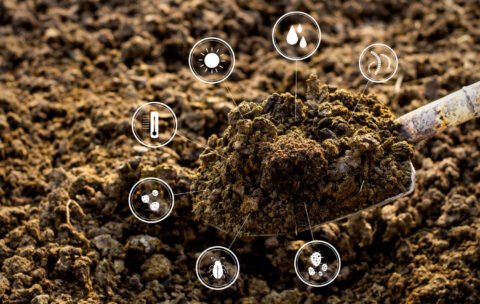
Soil Health & Fertility Management
Healthy soil is the foundation of successful farming. This course …
What you'll learn
Understanding Soil Composition – Learn about soil types, texture, and structure.
Soil Testing & Analysis – How to test soil for nutrients, pH balance, and fertility levels.
Improving Soil Fertility Naturally – Using compost, organic fertilizers, and cover crops.
Mulching & Soil Moisture Conservation – Best practices for protecting soil and retaining moisture.
Crop Rotation & Companion Planting – Enhancing soil health through strategic planting.
Managing Soil Erosion & Degradation – Techniques to prevent soil loss and maintain fertility.
Sustainable Soil Management – Long-term strategies for maintaining soil productivity.
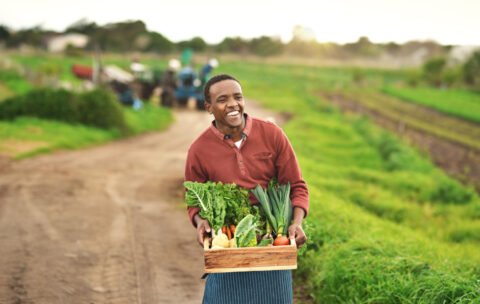
Organic Farming Essentials
Discover the fundamentals of organic farming and learn how to …
What you'll learn
Introduction to Organic Farming – Understanding the principles, benefits, and importance of organic agriculture.
Soil Health & Fertility Management – Techniques to improve soil structure, organic matter, and fertility naturally.
Composting & Natural Fertilizers – Learn how to create organic compost, bio-fertilizers, and vermicompost.
Organic Pest & Disease Control – Effective, non-chemical methods to protect crops from pests and diseases.
Crop Rotation & Companion Planting – Strategies to enhance soil health and maximize yields.
Organic Certification & Compliance – Steps to getting certified as an organic farmer and meeting global standards.
Marketing & Selling Organic Produce – How to brand, market, and sell your organic farm products for profitability.

Farm Business Mini‑MBA: Planning, Records, Markets, and Exports
Farm Business Mini‑MBA: Planning, Records, Markets, and Exports is a compact, practice‑driven …
What you'll learn
Build a one‑page agribusiness strategy and operating plan tied to value chain opportunities and risks.
Set up simple, reliable financial records (cashbook, cost centers, COGS, breakeven, gross margin per enterprise) and monthly management dashboards.
Design market entry plans for domestic buyers and develop export readiness checklists covering quality, packaging, logistics, and documentation.
Evaluate financing options, working‑capital cycles, and investment cases using payback, NPV basics, and sensitivity tests.
Negotiate supply contracts, align production calendars with demand, and manage price, quality, and delivery risk.
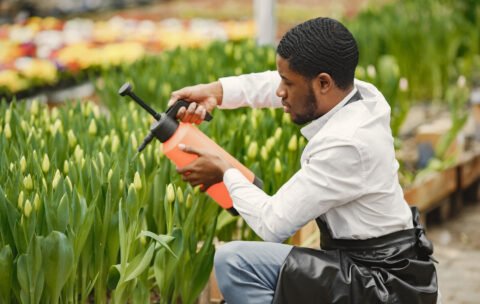
Smart Water Use: Irrigation and Water Management for Small Farms
Smart Water Use: Irrigation and Water Management for Small Farms …
What you'll learn
Match crops and soils to a suitable irrigation method (drip, sprinkler, furrow/basin) and design a basic layout with valves, filters, laterals, and emitters.
Estimate crop water needs and create a weekly irrigation schedule using soil feel/appearance, simple water-use formulas, or low-cost sensors.
Select, size, and safely operate small pumps and energy options (manual, engine, solar) with basic filtration and pressure checks.
Implement operation and maintenance routines to prevent clogging, leaks, pressure loss, and uneven application.
Identify and mitigate waterlogging, salinity, runoff, and erosion risks linked to poor irrigation practices.
Track water use and costs, and improve efficiency with mulching, zoning, and staged automation upgrades.
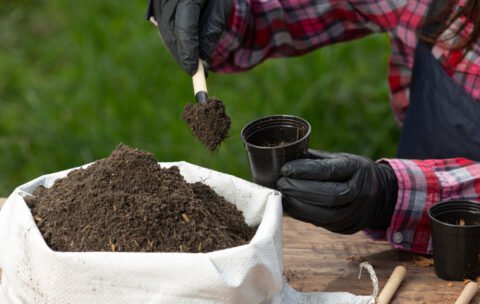
Soil to Harvest: Beginner Crop Production Essentials
Soil to Harvest: Beginner Crop Production Essentials is a practical, …
What you'll learn
Diagnose basic soil limitations and create a soil improvement plan using pH, texture, and organic matter indicators.
Select varieties and plan planting windows based on climate, soil moisture, and day length for key staple and market garden crops.
Calibrate seeding rates and spacing, and execute bed/row prep and tillage or no‑till setups appropriately.
Design simple irrigation schedules and choose between drip, sprinkler, or furrow for water‑use efficiency.
Build a starter fertility program integrating composts, manures, and low‑risk mineral fertilizers with timing aligned to crop demand.
Implement basic integrated pest, disease, and weed management with scouting, thresholds, and safe interventions.
Determine harvest maturity, plan harvest logistics, and apply basic post‑harvest handling to protect quality and reduce losses.
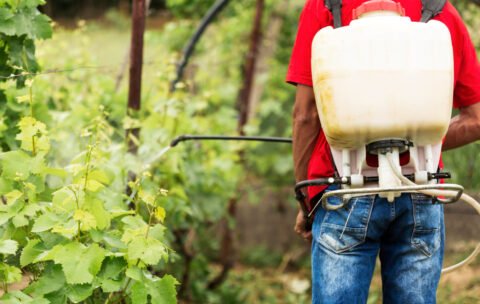
Integrated Pest Management Basics: Safer, Cheaper, Smarter Control
Integrated Pest Management Basics: Safer, Cheaper, Smarter Control is a beginner-friendly course that …
What you'll learn
Define pests and beneficials, explain the IPM concept, and list core components: prevention, identification, monitoring, thresholds, and targeted control selection.
Build preventive plans using sanitation, crop rotation, resistant varieties, habitat for natural enemies, and cultural/mechanical tactics.
Scout fields systematically, record observations, and apply economic/action thresholds to decide if and when to intervene.
Choose safer interventions first (biological, cultural, mechanical), and when needed, select and apply least-risk pesticides correctly and legally.
Reduce and manage pesticide resistance through rotation of modes of action, proper rates, timing, and integration with non-chemical tactics.
Evaluate outcomes, costs, and risks to refine an IPM plan over time for specific crops and fields.
