Integrated Pest Management Basics: Safer, Cheaper, Smarter Control
About This Course
Integrated Pest Management Basics: Safer, Cheaper, Smarter Control is a beginner-friendly course that teaches how to prevent, monitor, and manage pests using a stepwise, risk-aware approach that reduces costs and pesticide use while protecting yields and ecosystems.
Learning Objectives
Define pests and beneficials, explain the IPM concept, and list core components: prevention, identification, monitoring, thresholds, and targeted control selection.
Build preventive plans using sanitation, crop rotation, resistant varieties, habitat for natural enemies, and cultural/mechanical tactics.
Scout fields systematically, record observations, and apply economic/action thresholds to decide if and when to intervene.
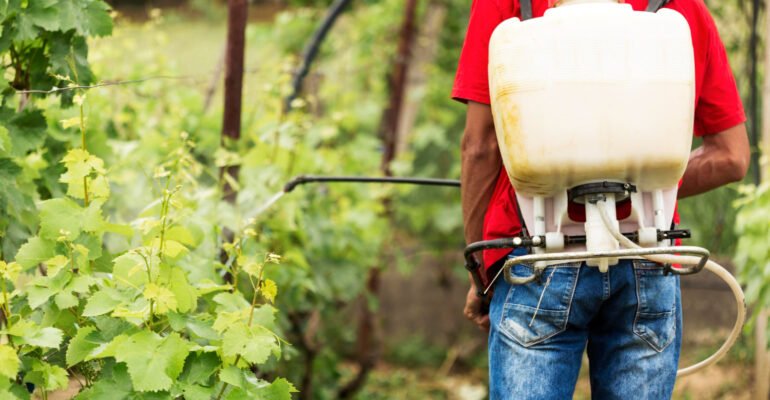
Choose safer interventions first (biological, cultural, mechanical), and when needed, select and apply least-risk pesticides correctly and legally.
Reduce and manage pesticide resistance through rotation of modes of action, proper rates, timing, and integration with non-chemical tactics.
Evaluate outcomes, costs, and risks to refine an IPM plan over time for specific crops and fields.
Material Includes
- Scouting log and trap count sheets, with example field routes for efficient monitoring.
- Threshold-setting worksheet tied to crop phenology and historical pest pressure.
- Prevention checklist covering sanitation, rotation, resistant varieties, and habitat management.
- Safe-use quick guide for reading labels, PPE, rates, and minimizing off-target effects.
- Resistance management planner with mode-of-action rotation prompts.
Target Audience
- New and small-scale growers, homesteaders, and farm staff seeking practical IPM routines they can implement immediately without advanced entomology or pathology training.
- Producers aiming to meet safer-use standards and align with modern definitions of IPM that emphasize prevention, thresholds, and minimal-risk interventions first.
Curriculum
1 Lesson
Lesson
Integrated Pest Management Basics: Safer, Cheaper, Smarter Control00:00:00
$25.00
Material Includes
- Scouting log and trap count sheets, with example field routes for efficient monitoring.
- Threshold-setting worksheet tied to crop phenology and historical pest pressure.
- Prevention checklist covering sanitation, rotation, resistant varieties, and habitat management.
- Safe-use quick guide for reading labels, PPE, rates, and minimizing off-target effects.
- Resistance management planner with mode-of-action rotation prompts.