
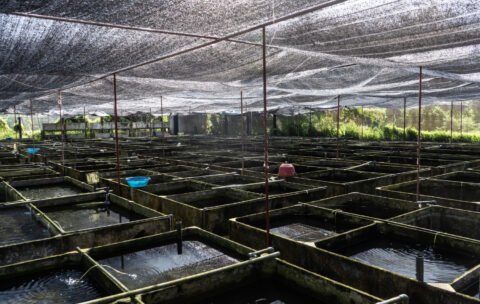
Profitable Aquaculture Starter: Ponds, Water, Feed, and Harvest
A beginner’s blueprint for small‑scale freshwater aquaculture—site and pond basics, …
What you'll learn
Plan a small pond system with safe stocking rates
routine water checks
feed budgeting
basic health/harvest protocols.

Livestock the Climate‑Smart Way: Efficiency and Waste to Value
Practical strategies for feed efficiency, manure handling, bedding, water use, …
What you'll learn
Draft a climate‑smart livestock plan covering ration tweaks
manure storage/composting
water/energy savings, aligned with resilience goals.

Post‑Harvest Success: Quality, Cooling, and Storage
Step‑by‑step methods to cut losses and maintain quality from field …
What you'll learn
Build a harvest plan
Implement basic packhouse SOPs
Choose cooling strategies
Set simple quality specs for consistent sales.
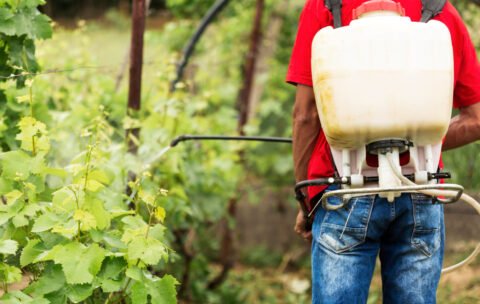
Integrated Pest Management Basics: Safer, Cheaper, Smarter Control
Integrated Pest Management Basics: Safer, Cheaper, Smarter Control is a beginner-friendly course that …
What you'll learn
Define pests and beneficials, explain the IPM concept, and list core components: prevention, identification, monitoring, thresholds, and targeted control selection.
Build preventive plans using sanitation, crop rotation, resistant varieties, habitat for natural enemies, and cultural/mechanical tactics.
Scout fields systematically, record observations, and apply economic/action thresholds to decide if and when to intervene.
Choose safer interventions first (biological, cultural, mechanical), and when needed, select and apply least-risk pesticides correctly and legally.
Reduce and manage pesticide resistance through rotation of modes of action, proper rates, timing, and integration with non-chemical tactics.
Evaluate outcomes, costs, and risks to refine an IPM plan over time for specific crops and fields.
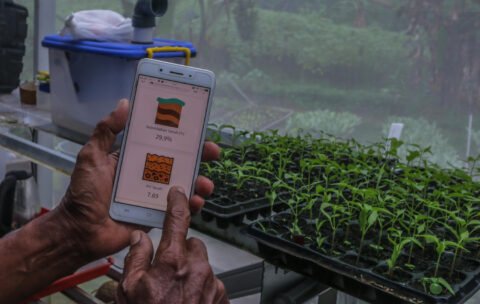
Climate‑Smart Farming Fundamentals: Adapt, Mitigate, Thrive
A practical introduction to climate‑smart agriculture, connecting local weather risks …
What you'll learn
Identify climate risks for key enterprises
select resilient practices (e.g., drought‑tolerant varieties, mulches)
outline a season plan with adaptation and mitigation actions.
